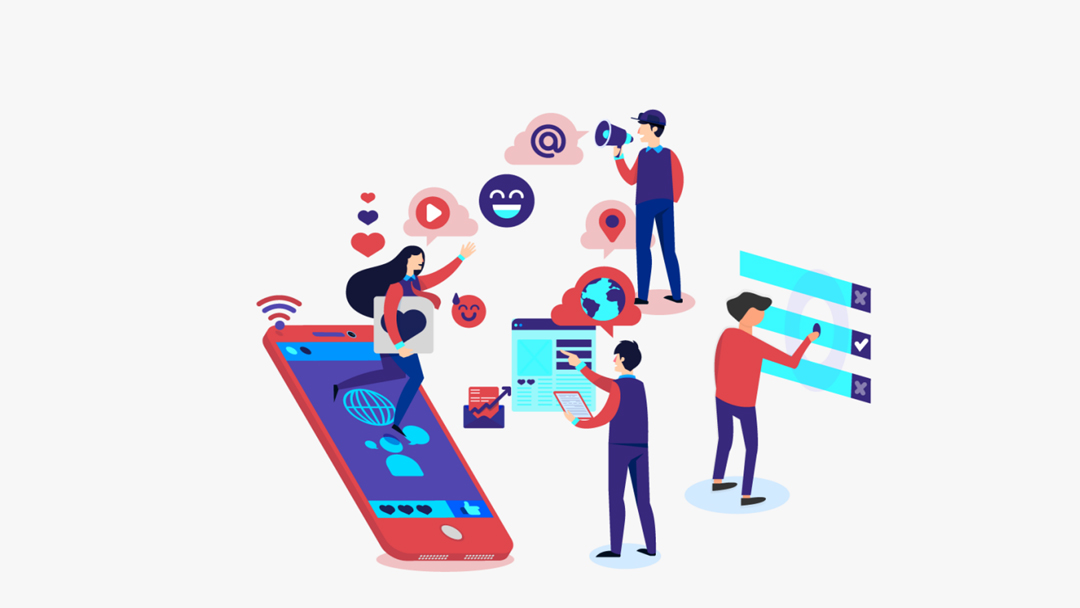
There is no universal marketing and yes, marketing can serve various purposes for different brands or clients. People within and outside of the industry often use experiential marketing and event marketing interchangeably, but are they the same? In a nutshell? That’s not quite right, there is a vast difference between them and their effects are extremely different. Event marketing and experiential marketing may sound similar, but they are separate marketing tactics that brands can utilize. What exactly is the difference between the two? Time, goals, engagement, and experience all play a part.

Experience
Events and experiential marketing engage guests in different ways. The goal of experience in the context of an event is to make the attendees feel elated, special, and valuable. Experiential marketing and event marketing both strive to provide clients with mesmerizing and lasting experiences.
Take a moment to recall your last concert. A large crowd of music fans watched the same show simultaneously and left after experiencing the same emotions. A common characteristic of event marketing is that it creates an identical experience for everyone.
Experience marketing events, however, leave an impression on each guest. Refinery29 has been hosting 29Rooms events for around three years now, which it describes as an “interactive funhouse of style, culture, and technology.” It involves 29 independently branded rooms where participants discover something new. Dunkin’ Donuts, Cadillac, and Dyson are just a few of the brands collaborating on the rooms.
Based on their preferences, each user had a unique experience. This is what makes experiential marketing so effective.
Engagement
In terms of engaging the audience, experiential marketing differs greatly from event marketing. Do you prefer two-way or one-way communication? Event marketing is apt for those who prefer one-way communication. In contrast, experiential marketing allows for two-way interactions that are interesting for both parties.
In event marketing, brands communicate directly with consumers, but the consumers cannot respond to them. Have you ever passed multiple booths at a business event and received marketing brochures about the company? As a result of a promotional pamphlet, the brand passes along information to the attendee, but the consumer does not participate.
Experiential marketing, unlike event marketing, strives to involve and know their delegates fully. However, event marketing relies on brochures and pamphlets to provide information. A two-way communication approach is used in experiential marketing. Educating a customer about the brand’s products and services, as well as listening to what they have to say, helps brands build better relationships with their customers.
For example, a campaign centered around a fictional ice cream parlor called Scoops Ahoy was created by Netflix and Baskin-Robbins to deliver a unique experience to fans of “Stranger Things.”
- A TV ad that looked like a local advertisement from the 1980s, based on a flavor from the show, promoted a limited-edition flavor of USS Butterscotch.
- In commercials and on Baskin-Robbins products, Morse code puzzles were hidden. An augmented reality mystery could be solved by calling a phone number revealed in the puzzles.
- Besides promotional containers, figurines, magnets, stickers, and t-shirts, special-edition promotional items were also distributed.
Fans were able to deepen their connection with the show by finding codes hidden on products and in commercials. Professionals from each section of the event interacted with guests on a personal level to provide guests with information and answers.
Goals
The purposes of event marketing and experiential marketing are different, so understanding their differences is crucial. Experience Marketing encompasses all the goals of event marketing, but not vice-versa.
In order to promote a new product, sell products, or gain press coverage, marketers use event marketing. A successful event marketing campaign generates buzz around a brand’s upcoming event.
It is also possible to use experiential marketing to promote new products, sell merchandise, and get in the press, but that is rarely the intent. Planning, strategizing, and executing are just some of the elements of this broader term. Rather, marketers use experiential marketing to build relationships with their audiences and create positive brand associations.
As a result of an experiential marketing event, a new product may gain visibility and sales, but the focus is usually on connecting with consumers during the planning process.
Time
The start and end times of an event are usually specified so guests know when to arrive and when to leave. They don’t last beyond the location where they’re held. It is possible for the press to cover the event while it is taking place or shortly after it has ended, but besides this, the buzz usually fades after the event ends. Experiential marketing, however, is a whole different ballgame.
Unlike event marketing, experiential marketing tends to last much longer. Experiential marketing events provide guests with unique experiences that compel them to share their stories online. Hence, more guests can share stories about an experiential marketing event, generating further buzz.
Summing Up
Experimenting and testing new ideas will help you stay ahead of the curve in today’s marketing landscape.
Experience marketing can help you stand out from the crowd and cut through the clutter. It’s easier than ever to build immersive experiences that build emotional connections with your audience now that technology supports new types of virtual, hybrid, and in-person marketing activations. So, take advantage of experiential marketing to make sure your brand is at the center of all your efforts.