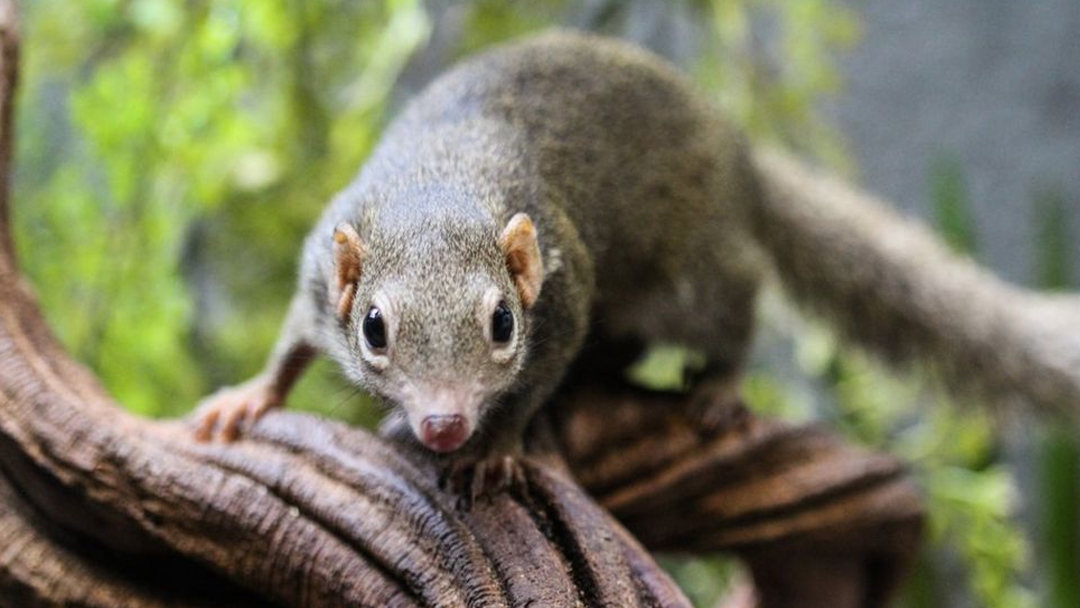
Langya: A new virus from shrewd to humans
A new virus that is thought to be derived from animals has been found in eastern China, where at least a dozen people have been infected. An article published this month in the New England Journal of Medicine highlighted the discovery made by scientists in China, Singapore, and Australia.
In the Shandong and Henan provinces, 35 patients contracted Langya henipavirus (LayV). Many of them suffered from fevers, fatigue, and coughs. In late 2018, scientists first detected Langya henipavirus (LayV) in the northeastern provinces of Shandong and Henan. To date, LayV has not caused any deaths.
In a statement to the state-run Global Times in China, Wang Linfa, one of the researchers, said there was “no need to panic” because the cases of LayV found so far haven’t been fatal. As Mr Wang pointed out, however, there is still a need to be alert because there are many viruses in nature that can produce unpredictable results when they are transmitted to humans.
Viruses may have been transmitted by animals. So far, there is no evidence that LayV can be transmitted between humans. Taiwan’s health authority is now monitoring the spread of the virus, which likely spread from animals to humans. Over a quarter of 262 shrews tested positive for LayV viral RNA, suggesting that shrews may function as natural reservoirs for the virus. In addition to domestic goats and dogs, 2% and 5% of the virus was detected respectively. Shrews, bats, and rodents are also known to carry related henipaviruses.

Transmission of Langya
Researchers were still unsure whether the virus could be transmitted between individuals. Farmer cases made up the majority of the 35 cases, while factory workers were also infected. A contact tracing study of nine patients and 15 close relatives revealed that there was no close-contact LayV transmission among them, but the sample size was too small to determine whether there was a human-to-human transmission.
Upon sequencing the LayV genome, scientists discovered it was a henipavirus, a group of zoonotic RNA viruses that includes the Hendra virus and the Nipah virus. Nipah virus, which has caused outbreaks of disease in southeast Asia, and Hendra virus, affects horses and humans, have both been associated with high mortality rates. Mojiang virus, discovered in southern China, is the most closely related virus to LayV. Despite being very common, zoonotic viruses have recently received increased attention after the Covid pandemic.
A Taiwanese news agency reported on Sunday that the Centers for Disease Control (CDC) will conduct genome sequencing and surveillance for the virus. A press briefing held by Chuang Jen-Hsiang, deputy director general of the Taiwan CDC says, “the agency is researching routes of transmission in Taiwanese species and collaborating with the Council of Agriculture.”
As a consequence of climate change and the destruction of nature, infectious disease experts have long warned that human-to-human transmission of viruses will increase.