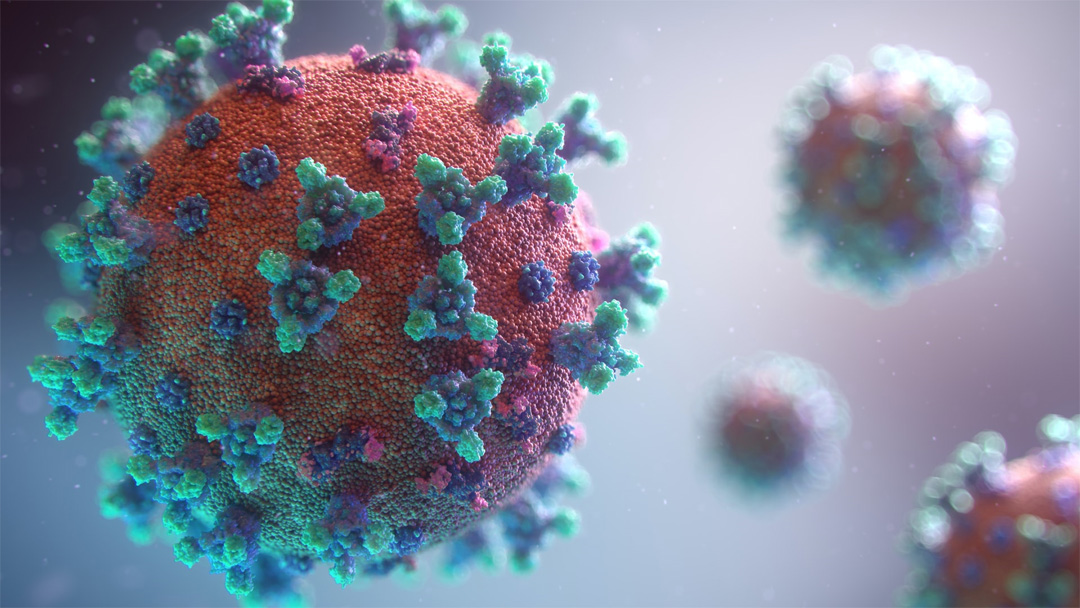
On November 24 a novel Covid-19 variant was identified in South Africa with a high number of mutations compared to its predecessor. The newly identified variant is named “Omicron.” It is labeled a “variant of concern” according to WHO.
The new variant is more contagious compared to its predecessor. Since its discovery in South Africa, the new variant has been recorded in the United Kingdom, Denmark, Botswana, Germany, Netherlands, Hong Kong, Israel, Italy and many more.
The newly discovered strain is also known as B.1.1.529 strain. In Botswana, epidemiologists confirm that nearly 75% of all new cases belong to this category, almost entirely replacing the prevalent delta variant.
According to South African scientists, the newly discovered variant has 30 mutations to the spike protein.
Virologists say that this is the most mutated version of the virus to date. The beta and delta variants had only two to three mutations and, the latter caused havoc in India last year during the second wave.
What are the symptoms of Omicron?
The new variant is rampaging the world by spreading everywhere. Since the Omicron variant is easily transmissible, the rate of infection has soared through the roof.
It is estimated that more that 20% of world population are already infected with this variant despite being double vaccinated. In comparison to the Delta variant, Omicron has different signs and symptoms.
- Fever
- Cough
- Loss of taste/smell
- Sneezing
- Sore throat
- Headache
In the initial days symptoms like weakness, fatigue, headache, fever and body ache is seen. Eventually the symptoms might progress to dry cough along with the cold.
Fever usually subsides within the first 3 days and if it doesn’t then that is a red flag of moderate to severe infection. However in Omicron, only 50% of people experience the top 3 symptoms listed above. Loss of taste/smell is much less common than compared to Delta variant.
The Omicron variant can cause severe infections in some people, but in overall sense it is less fatal than Delta variant. According to a British study, the risk of hospitalization due to Omicron is half than that of Delta variant.
Are vaccines effective against Omicron?
Early studies about Omicron suggest that double-dosed vaccines have lower effectiveness against Omicron. Vaccines are 30-40% effective at preventing infection and 65-70% effective at preventing severe diseases without booster.
After 2-4 weeks of booster dose, the vaccine effectiveness ranged from 65-75%. At 5-9 weeks it dropped to 55-70% and after 10 weeks it dropped to 40-50%.
Preliminary data showed that mRNA vaccines (Pfizer or Moderna) are more effective with less infection and hospitalization.
Early research data from UK suggests that the booster dose have moderate to high vaccine effectiveness. There is an increase in the amount of antibodies in our body against Omicron variant.
A study done by UK Health Security Agency (UKHSA) showed a third dose gives notably higher protection. According to UKHSA, a study on 200,000 people who are vaccinated with m-RNA vaccines showed 88% protection against severe infection and hospitalization.

How to protect yourself from Omicron?
By now we all know that masks are the safest bet to stay safe from the Omicron variant. On top, booster shots help lower the infection and increase innate immunity.
Masks help to provide overall protection against all of the Covid variants especially the N-95 mask. The mask should be well-fitted around your face. You can also reuse the N-95 mask if needed.
However in order to protect against Omicron, you should:
- Get vaccinated
- Get booster dose
- Maintain social distancing
- Wear N-95 Mask
- Wash hands frequently
- Disinfect surfaces like door knobs, keys, handles, etc.
- Improve ventilation of indoor spaces
- Avoid crowded places
Help SHARE this valuable information around.